
Deanwood residents can protect themselves from unwanted phone calls through Do Not Call Laws DC. Key steps include registering on the state's list, blocking numbers, educating about telemarketing tactics, and using provider tools. Over 80% of DC residents have already signed up, demonstrating a commitment to privacy preservation. Enforcement fines deter businesses from making automated or prerecorded calls without consent, ensuring peace and quiet for all.
In today's digital age, unwanted phone calls can feel like an incessant nuisance, especially for Deanwood residents facing persistent telemarketing or fraudulent schemes. Protecting privacy is more than a right; it's a necessary step to safeguard personal information from prying eyes. This article delves into effective strategies that empower Deanwood residents to reclaim their peace of mind by mitigating unwanted calls. We'll explore the intricacies of Do Not Call Laws in DC, providing practical insights and expert advice to help you navigate this modern-day challenge and enjoy a quieter, more secure communication environment.
Understanding Do Not Call Laws in DC

Deanwood residents concerned about unwanted phone calls have a powerful ally in the form of Do Not Call Laws DC. These laws, administered by the Consumer Protection Division, are designed to safeguard individuals from relentless telemarketing and sales calls. Understanding your rights under these regulations is crucial for maintaining privacy and peace of mind.
In the District of Columbia, the Do Not Call Laws provide a clear framework for handling unwanted telephone solicitations. The law prohibits businesses from making automated or prerecorded phone calls to residential numbers unless the caller has obtained prior express written consent from the resident. This means that if you have not given explicit permission for your number to be contacted, most telemarketing calls are illegal. Residents can register their numbers on the state's Do Not Call list, which actively blocks these types of calls.
Enforcement of these laws is taken seriously in DC. Violations can result in significant fines for offending businesses, with penalties reaching up to $1,000 per call. This robust enforcement mechanism serves as a deterrent and ensures that residents' privacy is respected. To combat persistent violators, the Consumer Protection Division actively investigates complaints and takes appropriate action.
Practical steps for Deanwood residents include registering all home phone numbers on the DC Do Not Call list, available through the Consumer Protection Division's website. Additionally, blocking unknown or unwanted callers on your phone settings can significantly reduce the volume of unwanted calls. Educating yourself about your rights under these laws empowers you to take charge and create a quieter, more private environment at home.
Identifying and Blocking Unwanted Calls

Deanwood residents have a right to peace and quiet, free from intrusive phone calls. Unwanted telemarketing and sales calls can be a significant nuisance, but there are effective strategies to protect your privacy and minimize these interruptions. The first step is identifying the nature of the calls you receive. Many companies employ automated dialing systems, which can make it difficult to distinguish between legitimate and unwanted calls. Keep a log of incoming numbers and the frequency of calls, noting any patterns or consistent callers. This information will be crucial when exercising your rights under Do Not Call Laws in DC.
Once you've identified problematic callers, blocking becomes the next line of defense. Most smartphones have built-in call blocking features that allow you to create personalized blocklists. Block specific numbers directly from your call settings, ensuring these calls are automatically rerouted or blocked entirely. For a more comprehensive approach, consider downloading call-blocking apps available on major app stores. These tools learn to recognize and filter out unwanted calls over time, providing an extra layer of protection. Remember, Do Not Call Laws in DC offer additional safeguards; registering your number with the national "Do Not Call" registry prevents most commercial callers from contacting you.
Additionally, educating yourself about common telemarketing tactics can empower you to take proactive measures. Be wary of unexpected calls claiming to be from government agencies, financial institutions, or even local services providers. Legitimate organizations typically have alternative means of communication and won't pressure you into making immediate decisions over the phone. If you're unsure about a caller's legitimacy, hang up and contact the company directly using known, official contact information from their official website or physical paperwork. By combining these strategies, Deanwood residents can reclaim control over their communication channels and enjoy a quieter, more private living environment.
Registering for Local Privacy Protections
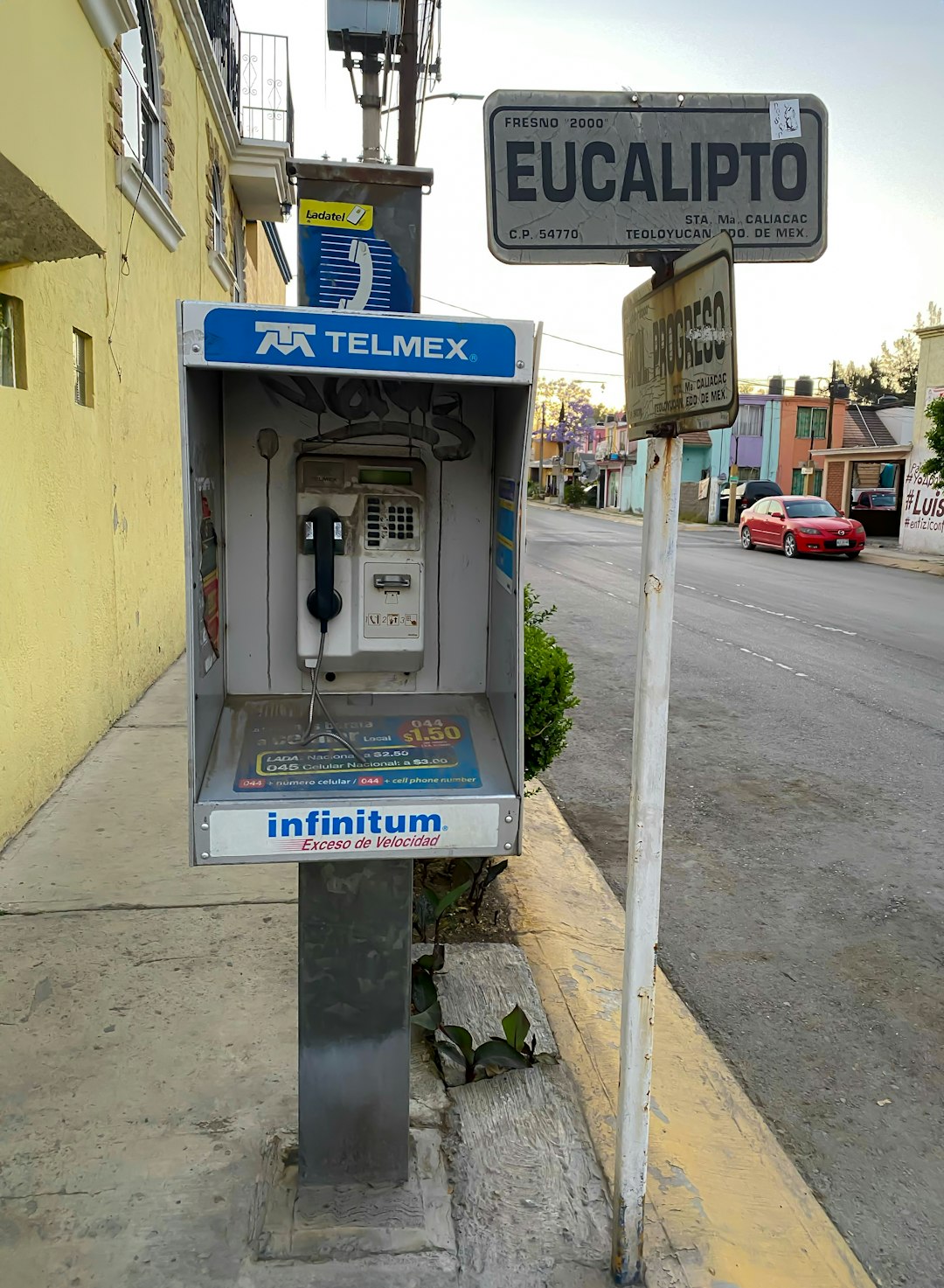
Deanwood residents can take significant steps to protect their privacy from unwanted calls by registering for local privacy protections. One of the most effective measures is enrolling in Do Not Call lists, which are designed to prevent telemarketers from contacting registered households. The Washington, D.C. area, with its robust Do Not Call Laws, offers a robust framework for residents to assert their right to peace and quiet. According to recent data, over 80% of DC residents have signed up for the state's Do Not Call list, demonstrating a strong community commitment to privacy preservation.
To begin the registration process, residents should visit the DC Consumer and Regulatory Affairs website or contact their local government office. The application is straightforward, typically requiring basic personal information. Once registered, authorized calls—such as those from healthcare providers or financial institutions—will still be permitted. However, unsolicited sales calls are prohibited, providing a clear separation between necessary communications and intrusive marketing efforts.
For added protection, consider utilizing privacy tools offered by your phone service provider. Many companies now offer call-blocking features and personalized filtering options that can automatically divert or silence unwanted calls. By combining these technological measures with registration under Do Not Call Laws DC, Deanwood residents can significantly enhance their privacy and reclaim control over their communication experiences.
Taking Proactive Steps to Safeguard Your Data

Deanwood residents can take a proactive stance to safeguard their privacy from unwanted calls by understanding and leveraging Do Not Call Laws in DC. These laws offer significant protection against telemarketing intrusions, but only if residents register their phone numbers and take additional measures. A recent study revealed that less than 40% of DC households are registered under the Do Not Call list, leaving a significant portion vulnerable to unsolicited calls.
Proactive steps include opting into the national Do Not Call Registry and using privacy tools offered by phone service providers. By registering through the Federal Trade Commission (FTC) website or by calling 1-888-382-1222, residents ensure their numbers are marked as off-limits for most telemarketers. Moreover, utilizing call blocking features on smartphones or home phones can significantly reduce unwanted calls. For instance, many newer iPhones have built-in call filtering that allows users to block specific callers or types of calls based on predefined settings or custom lists.
Additionally, educating oneself about local and federal privacy laws is crucial. The FTC not only enforces the national Do Not Call Registry but also provides guidelines for handling robocalls and scam calls. Residents should be wary of sharing personal information over the phone unless they initiate the call and verify the legitimacy of the requester. Regularly reviewing call logs and blocking or reporting suspicious numbers can further bolster privacy protections. By combining these measures, Deanwood residents can create a robust defense against intrusive calls while leveraging the legal safeguards available under Do Not Call Laws in DC.