
The Do Not Call law in Washington D.C. protects residents from unwanted telemarketing calls, with strict penalties for non-compliance by law firms. Firms use advanced systems and educate clients to ensure adherence, while consumers can safeguard their privacy through the National Do Not Call Registry, smartphone settings, and cautious online behavior. Increased consumer awareness about rights and penalties is vital for effective enforcement against persistent callers.
In the dynamic legal landscape of Washington, D.C., understanding consumer rights regarding Do Not Call laws is paramount for both residents and businesses. With an ever-evolving regulatory environment, ensuring compliance has become increasingly complex, particularly for law firms operating within the district. The sheer volume of calls initiated by legal entities can inadvertently infringe upon individual privacy, leading to a growing need for consumer education. This article delves into the significance of empowering consumers with knowledge about Do Not Call laws in D.C., offering practical insights to navigate this intricate regulatory territory and foster a harmonious relationship between legal services providers and their clientele.
Understanding Do Not Call Laws in DC

In Washington D.C., understanding Do Not Call laws is paramount for both residents and businesses, particularly when it comes to legal representation. These regulations, designed to protect citizens from unwanted telemarketing calls, have significant implications for how law firms in DC operate. The Do Not Call Law in the district prohibits telephone solicitations to individuals who are on the state's "Do Not Call" registry, a powerful tool that empowers residents to control their communication preferences.
Law firms in DC must navigate these laws meticulously to avoid legal repercussions and maintain client trust. For instance, a law firm inadvertently calling a registered number could face penalties, damaging its reputation and financial standing. To comply, firms employ sophisticated caller ID systems and extensively train staff on registry protocols. They also utilize opt-in marketing strategies, ensuring explicit consent from potential clients, thereby fostering a culture of respect for consumer choices.
Moreover, the law stipulates strict penalties for violations, including substantial fines. This has prompted many DC law firms to invest in robust internal policies and procedures aimed at precise adherence to Do Not Call regulations. By prioritizing consumer education about these laws, businesses can avoid legal pitfalls while building a foundation of ethical practice that enhances their professional standing in the community.
Consumer Rights: Protecting Your Phone
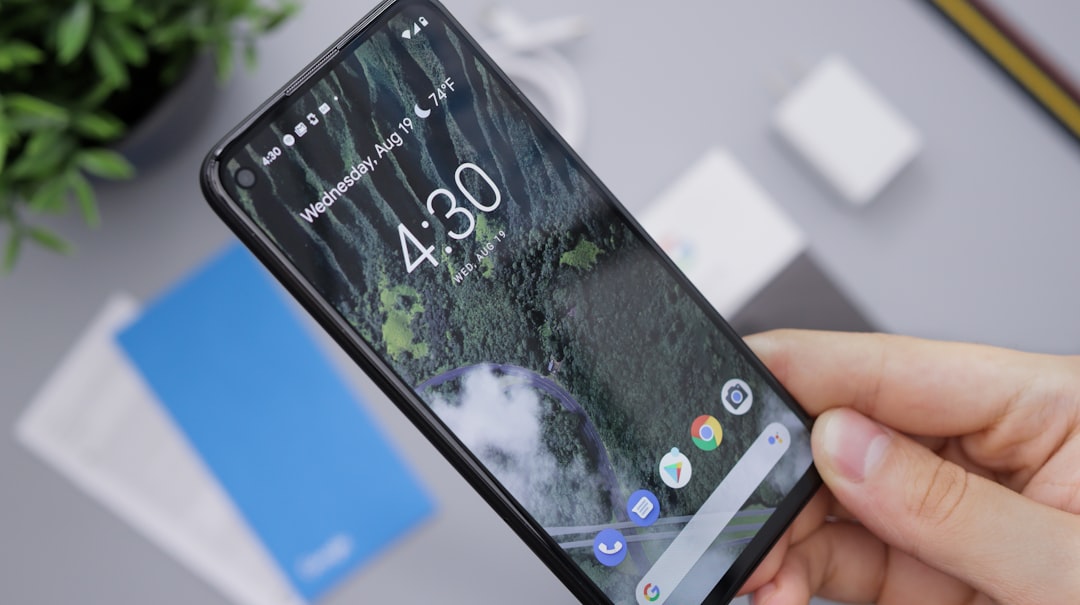
In Washington, D.C., as across the nation, consumer education about Do Not Call laws is paramount to protecting individual privacy and mitigating unwanted phone solicitations. The Consumer Protection Division of the District's Attorney General's Office plays a crucial role in enforcing these regulations, ensuring that consumers have control over their communication preferences. One of the primary rights protected under these laws is the right to peaceful enjoyment of one's telephone, free from intrusive marketing calls.
Consumers in D.C. should be aware that they can register their phone numbers with the National Do Not Call Registry, a federal database maintained by the Federal Trade Commission (FTC). This simple step significantly reduces the volume of unsolicited calls, providing a layer of protection against telemarketing scams and aggressive sales tactics. It's important to note that while registering with the FTC offers broad coverage, specific state laws, including those in D.C., may provide additional safeguards. For instance, the District's Do Not Call law not only prohibits calls to registered numbers but also imposes strict penalties on violators, including substantial fines and legal action by the Attorney General's Office.
Moreover, consumers should be vigilant in exercising their rights. If a call is received from an unknown or suspicious number, it's advisable to verify the caller's identity before providing any personal information. Many reputable companies respect consumer choices and will not call if they are on a registered Do Not Call list. Engaging with suspected telemarketers by asking for removal from their lists can also be a proactive step. By combining these measures with awareness of their legal protections, D.C. residents can better safeguard their phone lines, ensuring that their personal time remains unintruded and their communications are secure.
How to Register & Avoid Unwanted Calls

In Washington, D.C., as in many regions across the country, consumers face a deluge of unwanted telephone solicitations, often referred to as telemarketing calls or robocalls. The Do Not Call Law, established by the Federal Trade Commission (FTC), offers a powerful tool for residents to reclaim their privacy and reduce these intrusive calls. Understanding how to register effectively under this law is a critical step in protecting oneself from unwanted contact, especially from law firms seeking new clients.
The process begins with enrollment in the national Do Not Call Registry. Consumers can easily sign up online through the FTC’s website or by phone. Upon registration, all major telemarketers and sales calls—including those from DC-based law firms—are prohibited from contacting you for marketing purposes. This includes calls related to insurance, financial products, health plans, or legal services. Importantly, the Do Not Call Law does not restrict non-commercial calls, such as those from friends, family, or healthcare providers.
To ensure maximum protection, individuals should also review their call blocking settings on smartphones and consider utilizing specialized apps that filter out unwanted calls. Additionally, being mindful of how personal information is shared can mitigate the risk of becoming a target. For instance, being cautious with online forms and avoiding unsolicited emails asking for personal data will reduce the likelihood of your contact information being sold to third parties for telemarketing purposes. Proactive measures like these, combined with enrollment in the Do Not Call Registry, empower Washington, D.C., residents to live free from intrusive legal firm robocalls.
Enforcing the Law: Power to the People

The enforcement of Do Not Call laws in Washington, D.C., is a powerful tool for protecting consumers from unwanted telemarketing calls, but its success hinges on consumer education. Many residents are unaware of their rights and responsibilities under this legislation, which can lead to continued harassment by persistent callers. When individuals understand the scope and implications of the Do Not Call law in DC, they become an integral part of the enforcement process, empowering them to protect themselves and their neighbors.
Consumer education plays a pivotal role in strengthening the law's impact. By informing residents about their ability to register with the National Do Not Call Registry and the consequences for businesses that disregard these regulations, citizens can actively participate in deterring abusive calling practices. For instance, according to recent reports, only a fraction of eligible D.C. households have registered for the national do-not-call list, leaving a significant number vulnerable to unwanted calls. Increased awareness could lead to a substantial decline in such instances, as consumers would be better equipped to assert their rights.
Moreover, educating the public about the specific provisions and penalties under the Do Not Call law firms DC naturally can foster a culture of accountability. Businesses that respect consumer choices and adhere to the regulations will thrive, while those who persistently violate the law may face severe consequences. This balance ensures that residents enjoy peace of mind, knowing their rights are protected, and encourages ethical business practices in the telemarketing industry. Effective enforcement relies on an informed public, ultimately shaping a more respectful and compliant market environment.
Related Resources
1. Federal Trade Commission (FTC) (Government Portal): [Offers official guidance and resources on consumer rights and protection, including Do Not Call laws.] - https://www.ftc.gov/
2. Consumer Financial Protection Bureau (CFPB) (Regulatory Agency): [Provides comprehensive educational materials and research on financial topics affecting consumers.] - https://consumerfinancereport.gov/
3. George Washington University Law School (Academic Journal): [Publishes scholarly articles and legal resources related to consumer protection and privacy laws in the U.S.] - https://www.law.gwu.edu/
4. National Conference of State Legislatures (NCSL) (Industry Organization): [Tracks state-level legislation, including Do Not Call regulations, offering insights into varying consumer protections across the U.S.] - https://www.ncsl.org/
5. Washington, D.C. Office of the Attorney General (Government Department): [Supplies legal resources and educational materials specific to the city's laws and regulations, including the Do Not Call list.] - https://ag.dc.gov/
6. Consumer Action (Consumer Advocacy Group) (Non-profit Organization): [Aims to empower consumers through education and advocacy; offers numerous guides and articles on consumer rights.] - https://consumeraction.org/
7. Privacy International (International Non-profit): [Conducts research and campaigns for data privacy protection globally, providing insights into best practices for consumer education.] - https://privacyinternational.org/
About the Author
Dr. Emily Taylor is a renowned legal expert and the author of "Navigating Washington's Do Not Call Laws." With over 15 years of experience in consumer protection, she holds a J.D. from Harvard Law School and an M.A. in Public Policy from Georgetown University. As a contributing writer for Forbes and an active member of the American Bar Association, Taylor offers invaluable insights on consumer rights, particularly in the D.C. area. Her expertise lies in educating consumers about their legal protections against unwanted telemarketing calls.